For shops, venues and shared spaces, a good floor maintenance plan begins with use, access and realistic downtime.
Assess how the floor is used
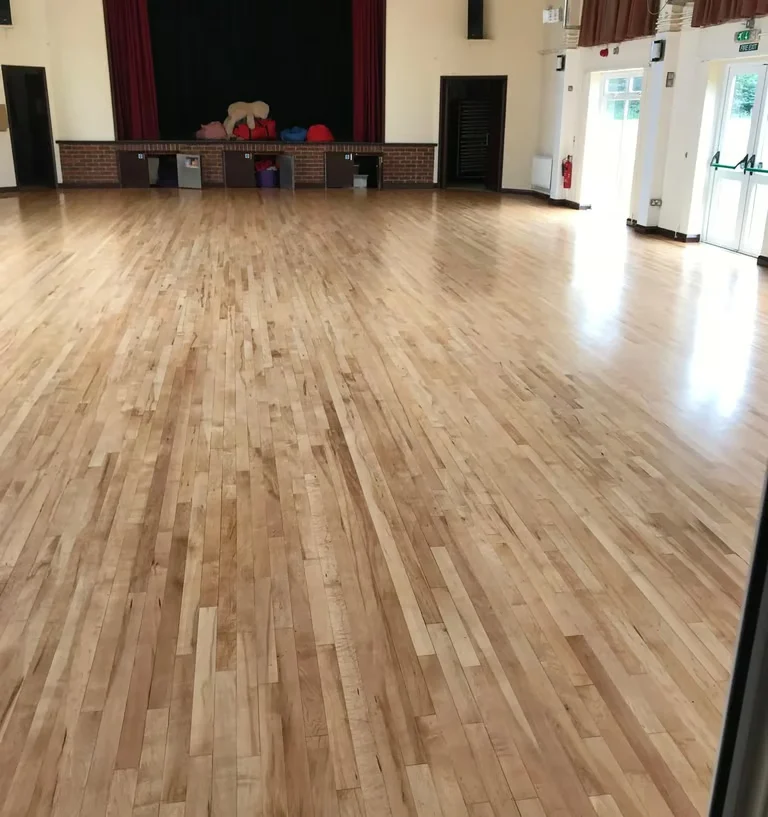
A quiet office and a busy venue do not have the same wear pattern. Identify entrances, walkways, furniture movement and areas exposed to spills. Record the current cleaning routine and any products already used. This gives a contractor useful context and helps distinguish routine surface wear from a problem that requires further investigation.
Match the work to the condition
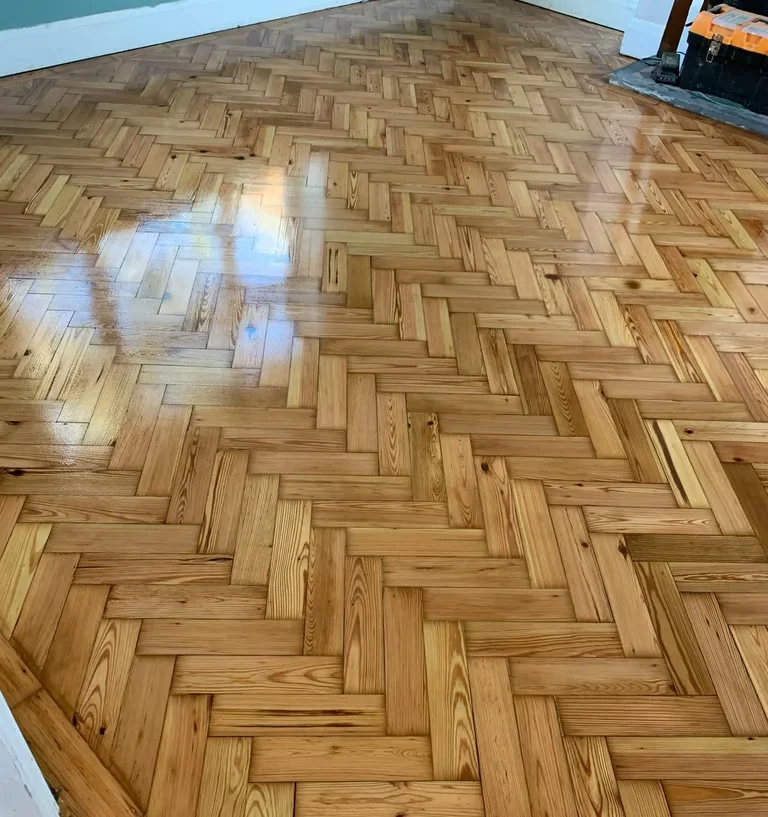
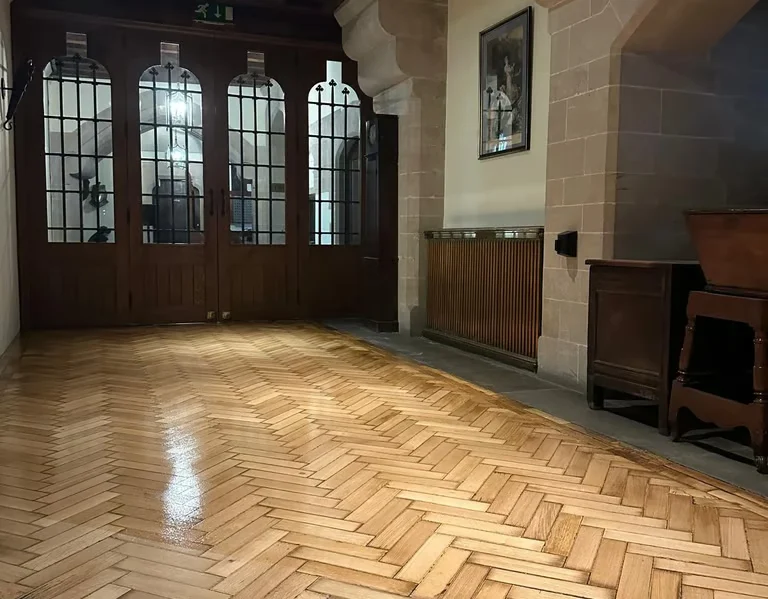
Commercial maintenance may involve cleaning, buffing or resealing, while more worn floors may need repairs and a fuller restoration. The right option depends on the existing finish and its condition. Applying a new product without checking compatibility can create further problems. Ask for a clear scope of work that explains the proposed treatment and what preparation is included.
Plan the closure before booking
Agree working access, furniture removal, deliveries and who will secure the space. Discuss whether work can be phased and whether adjacent areas can remain in use. Availability and practical suitability need confirming with the contractor. Drying and curing are different stages: a surface may accept limited foot traffic before it is ready for heavier use. Obtain product-specific reopening guidance rather than relying on a generic promise.
Make handover part of the project
A useful handover sets out the finish used, cleaning guidance and restrictions during the curing period. Share this information with cleaning staff and anyone moving furniture or equipment. Keep a record of the work so future contractors know what is on the floor. Entrance mats, suitable furniture protection and prompt attention to spills can support ongoing care.
Preparing a commercial enquiry in West Sussex
DJM provides commercial flooring supply, fitting, restoration and maintenance from Bognor Regis. Send the approximate area, photographs, type of premises and proposed working window. Include any access requirements and known defects. For ongoing support, explain the frequency of use and who manages the building. An initial assessment can then inform a maintenance approach that fits the space rather than a standard schedule applied to every floor.
Let’s talk about your floor.
Based in Bognor Regis. Serving West Sussex and surrounding areas.
Enquire about your project